
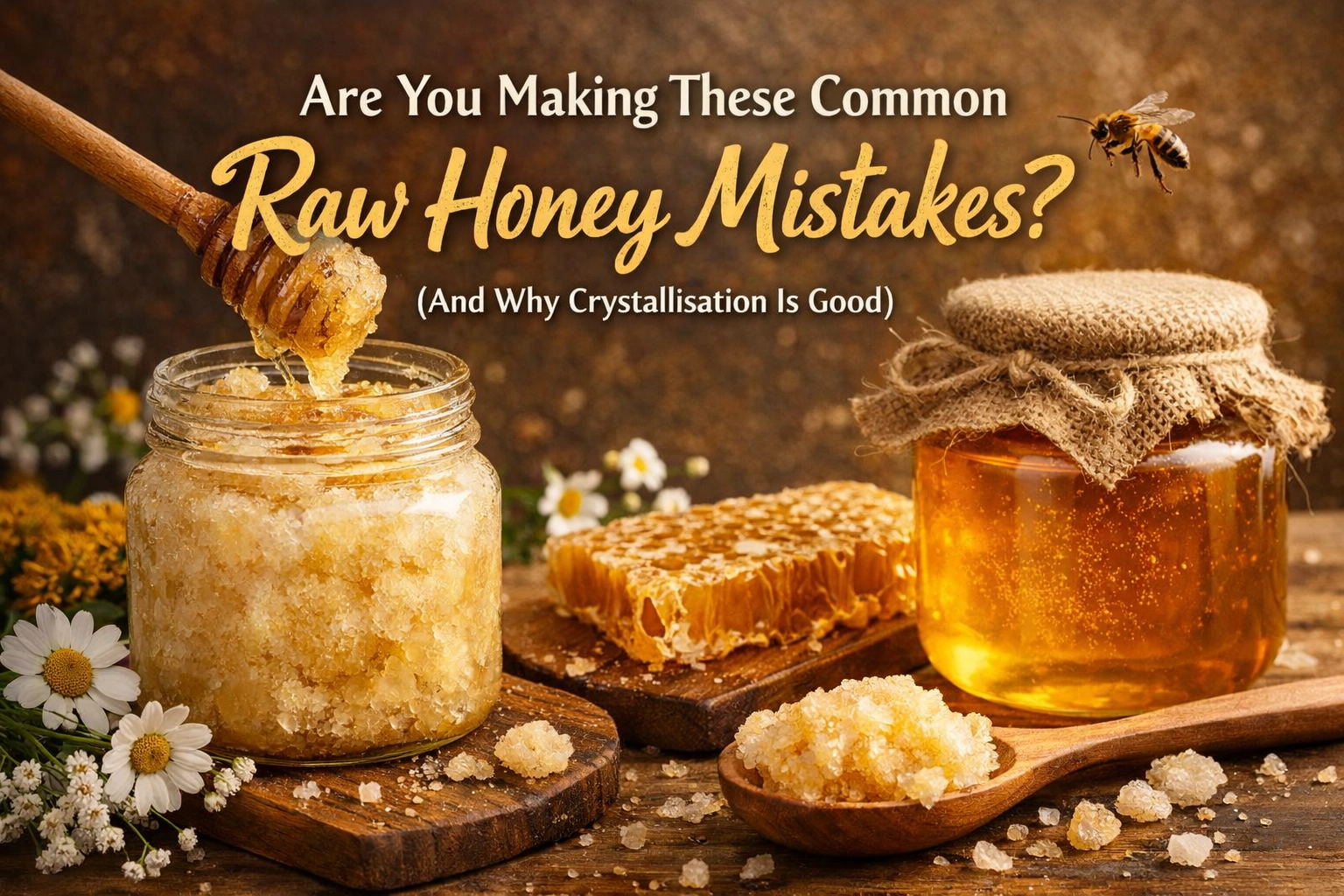
Ever reached into the back of the cupboard for that golden jar of goodness, only to find it’s turned into a gritty, cloudy block? Your first instinct might be to think it’s gone "off" or that you’ve bought a "bad" batch. You might even be tempted to chuck it in the bin.
Wait! Before you do anything, I’ve got some sweet news for you: that cloudy jar isn't a failure, it’s actually a badge of honour. It’s the ultimate proof that you’ve got the real deal.
At Crawley Bees, we live and breathe the raw stuff. We know that once you understand the quirks of unpasteurised honey, you’ll never look at a supermarket "squeezy" bottle the same way again. But there are a few common blunders that almost everyone makes when they start searching for "raw honey near me" and bring home their first local jar.
Let’s dive into the common mistakes that might be ruining your honey experience and why you should actually be celebrating those crystals.
Mistake #1: Giving Your Honey the "Boiling Water Bath"
We get it. You’re making a soothing cup of lemon and honey tea because you’re feeling a bit under the weather. You boil the kettle, pour the water, and immediately stir in a big spoonful of raw honey.
Stop right there!
One of the biggest mistakes you can make with raw honey is exposing it to high heat. Raw honey is a "living" food. It’s packed with delicate enzymes, antioxidants, and beneficial compounds that the bees have worked incredibly hard to produce. When you hit those enzymes with boiling water (anything above 40°C/104°F), you start to break them down. If you go above 60°C, you’re essentially pasteurising it in your own kitchen, destroying the very health benefits you bought it for in the first place.
The Golden Rule: Let your tea or coffee cool down to a "sippable" temperature before adding your honey. Your body (and the bees) will thank you for it!
Mistake #2: The Fridge Faux Pas
Do you keep your honey in the fridge? If so, you’re making life much harder for yourself. While the fridge is great for milk and eggs, it is the absolute enemy of honey texture.
Cold temperatures actually accelerate the crystallisation process. If you want your honey to turn into a solid block as fast as possible, put it next to the butter. Not only does it make it impossible to pour, but it also makes it harder to spread on your morning toast without tearing the bread to pieces.
Raw honey is naturally antimicrobial and has an indefinite shelf life if kept sealed. It doesn’t need refrigeration to stay fresh. Keep it in a cool, dry cupboard away from direct sunlight, and it’ll stay happy for ages.
Mistake #3: Buying "Honey-Flavoured" Syrup by Accident
When people search for "raw honey near me," they are usually looking for the health benefits that come with local pollen and enzymes. However, if you’re just grabbing the cheapest bottle off the supermarket shelf, you might not be getting what you think you are.
Most commercial honey is heavily processed. It’s pasteurised (heated to high temperatures) to keep it liquid forever and ultra-filtered to remove every last speck of pollen. Why? Because the industry thinks consumers want a perfectly clear, consistent product. But by removing the pollen and heating the honey, they are stripping away the flavour profile and the nutritional value.
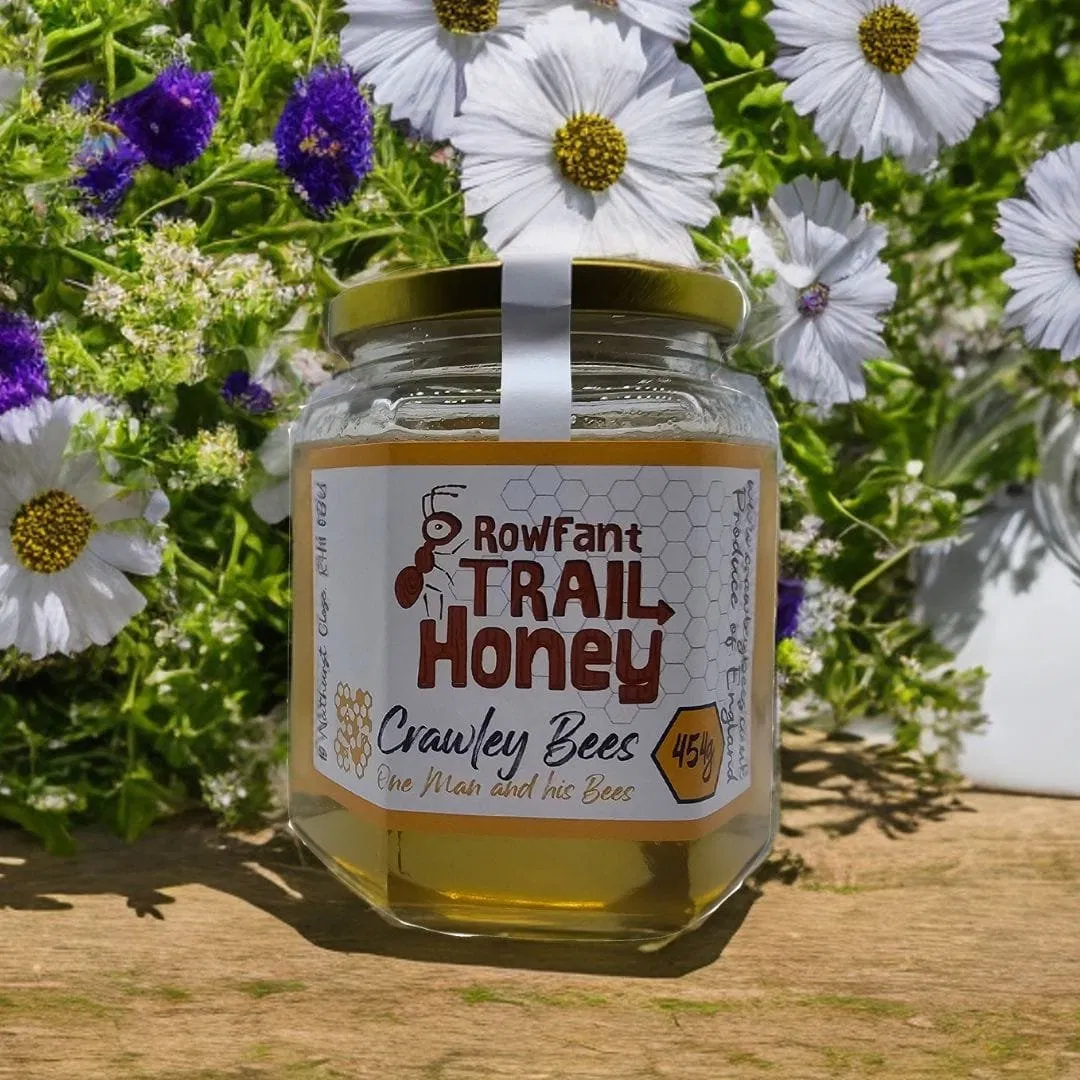
At Crawley Bees, our honey is unpasteurised, with nothing added and nothing removed. When you taste our Rowfant Trail Honey, you’re tasting the flowers of Crawley and West Sussex, not a factory-blended syrup.
If you want to know more about why the local stuff beats the supermarket versions every time, check out our post on why local honey is better and healthier.
Mistake #4: The Microwave Meltdown
So, your honey has crystallised (which, as we'll discuss, is actually good!), and you want it liquid again. Many people reach for the microwave.
Please, don't!
Microwaves create "hot spots" that can superheat parts of the honey in seconds, killing the enzymes and even changing the flavour profile to something more burnt and bitter.
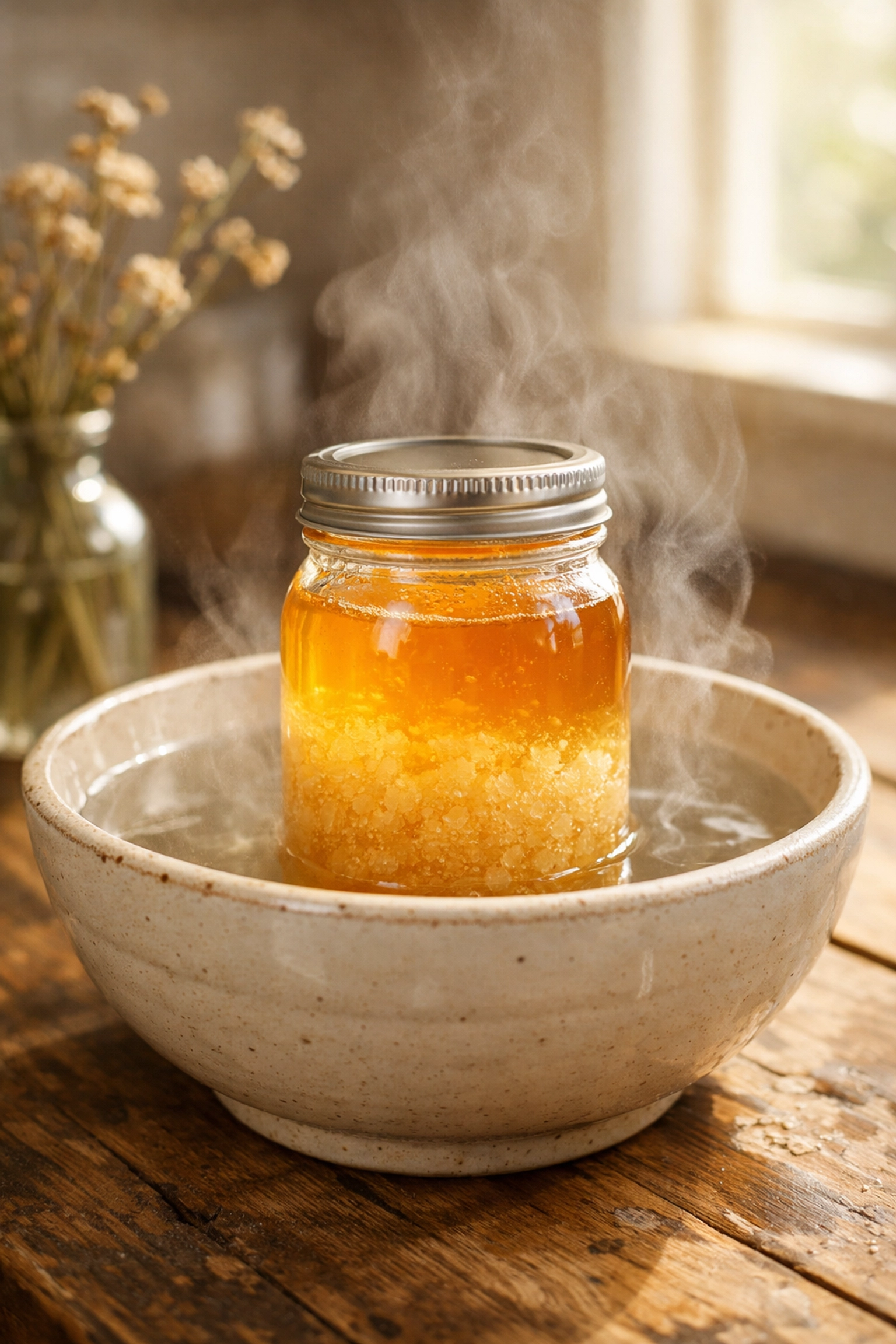
If you prefer your honey runny, the best way to liquefy it is with a gentle warm water bath. Place your jar in a bowl of warm (not boiling!) water and let it sit for a while. Give it a stir every now and then. It takes a bit longer, but it preserves all the natural goodness that makes raw honey so special.
Why Crystallisation is Actually Your Best Friend
Now, let’s talk about that "cloudy" look. Crystallisation is a completely natural process. It happens when the natural sugars in the honey (glucose and fructose) decide to bind together.
Think of it like apple juice. You can buy the clear, filtered stuff that looks like water, or you can buy the cloudy, farm-pressed juice. Most people know the cloudy stuff tastes better and is more "real." Honey is the same!
Here is why you should love the crunch:
- It’s a Proof of Purity: Real, raw honey will eventually crystallise. If you have a jar of honey that has been sitting in your cupboard for two years and it’s still perfectly clear and runny, there’s a high chance it has been heavily processed or even adulterated with syrups.
- Better for Toast: Set or crystallised honey is much easier to manage. It doesn't go running off the side of your crumpet and down your sleeve!
- Intense Flavour: Some people find that the texture of crystallised honey actually enhances the flavour experience as the crystals melt on your tongue.
The speed at which honey crystallises depends on the types of flowers the bees visited. Some of our local Crawley varieties might stay runny for months, while others might set within weeks. It’s all part of the natural rhythm of the hive.
The Crawley Bees Standard: Pure, Raw, and Local
When you support a local producer like Crawley Bees, you aren't just getting a sweetener; you're getting a snapshot of the West Sussex landscape. Our bees forage across Crawley, Copthorne, and Haywards Heath, bringing back nectar from garden flowers, hedgerows, and woodland.
We don’t use fine filters that strip out the local pollen. This is important for those of you looking for "raw honey near me" to help with seasonal sniffles. By keeping the honey exactly as the bees made it, we ensure you get the full, aromatic experience of our local flora.
Whether it’s our Ifield Woods honey or our signature cut comb honey, our promise is simple: unpasteurised, raw, and delicious.
How to Use Raw Honey Like a Pro
To get the most out of your jar, here are Penny’s "Buzzworthy" Tips:
- The "Last Touch" Rule: Add honey to your porridge or pancakes after they’ve been cooked and plated.
- The Wood/Plastic Spoon Myth: You might have heard you shouldn't use a metal spoon with honey. While long-term storage in metal isn't great (honey is slightly acidic), using a metal spoon to scoop some out for your toast is perfectly fine!
- Seal It Tight: Honey is "hygroscopic," which is a fancy way of saying it absorbs moisture from the air. If you leave the lid off, it can ferment. Keep that lid tight!
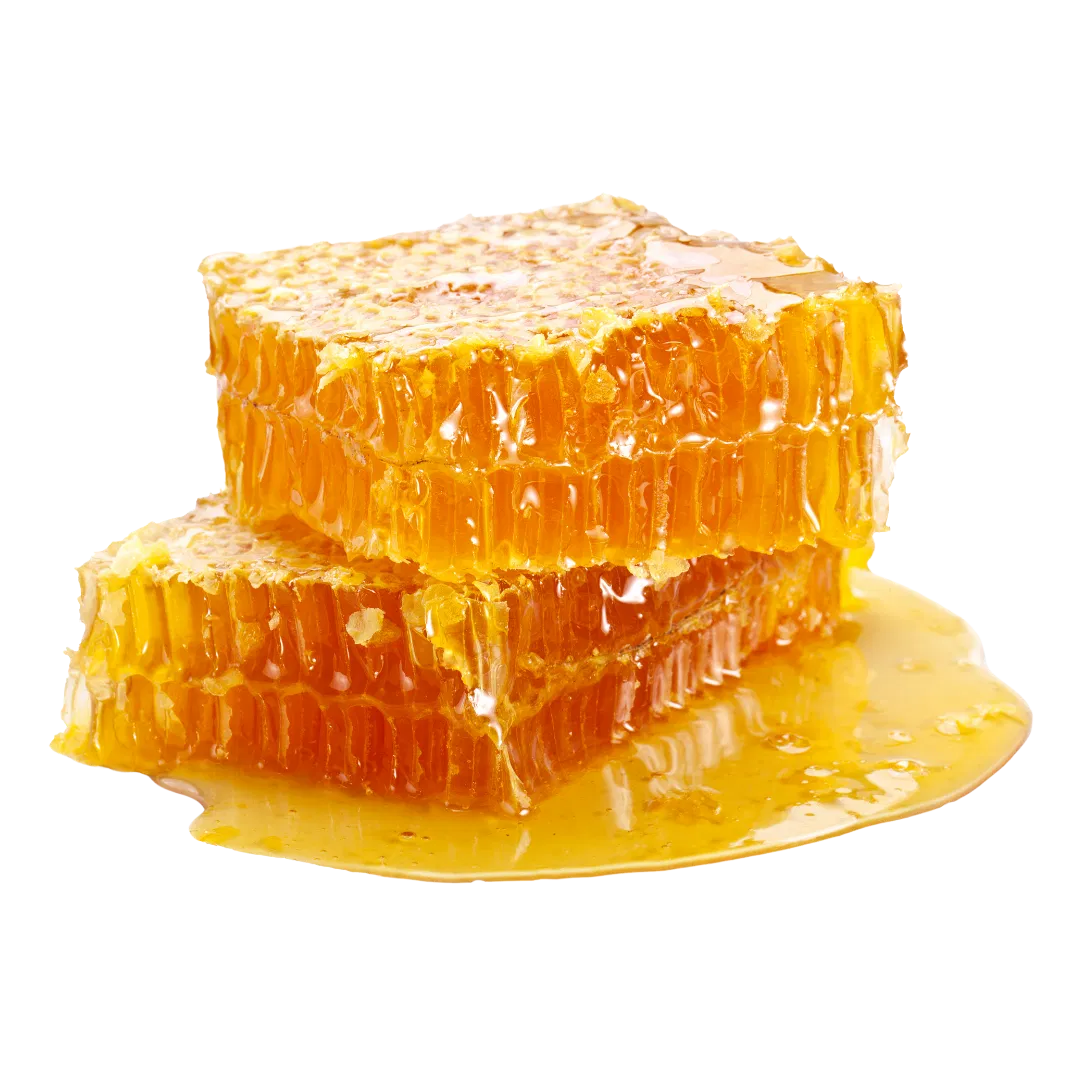
- Embrace the Comb: If you really want the rawest experience possible, try cut comb honey. It’s honey in its most original packaging: the wax cells made by the bees themselves.
Common Questions (The "Bee" FAQ)
Is crystallised honey spoiled?
Absolutely not! It’s just the sugar changing form. It is perfectly safe and many people actually prefer the texture.
How long does raw honey last?
Basically forever. Archaeologists have found pots of honey in ancient Egyptian tombs that are thousands of years old and still edible (though we recommend eating yours a bit sooner for the best flavour!).
Why is my honey a different colour than the last jar?
That’s the beauty of local, single-origin honey! Depending on what’s blooming in Crawley at the time: whether it’s lime trees, clover, or wildflowers: the colour and taste will change. It’s a seasonal journey for your taste buds.
Can I give raw honey to my baby?
Medical professionals advise not giving any honey (raw or otherwise) to infants under 12 months old due to the risk of botulism spores, which their little digestive systems can't handle yet.
Taste the Difference!
Next time you see your honey looking a bit cloudy or feeling a bit firm, give yourself a pat on the back. You’ve made the right choice for your health and for our local environment. You’ve got a jar of real, raw, West Sussex sunshine.
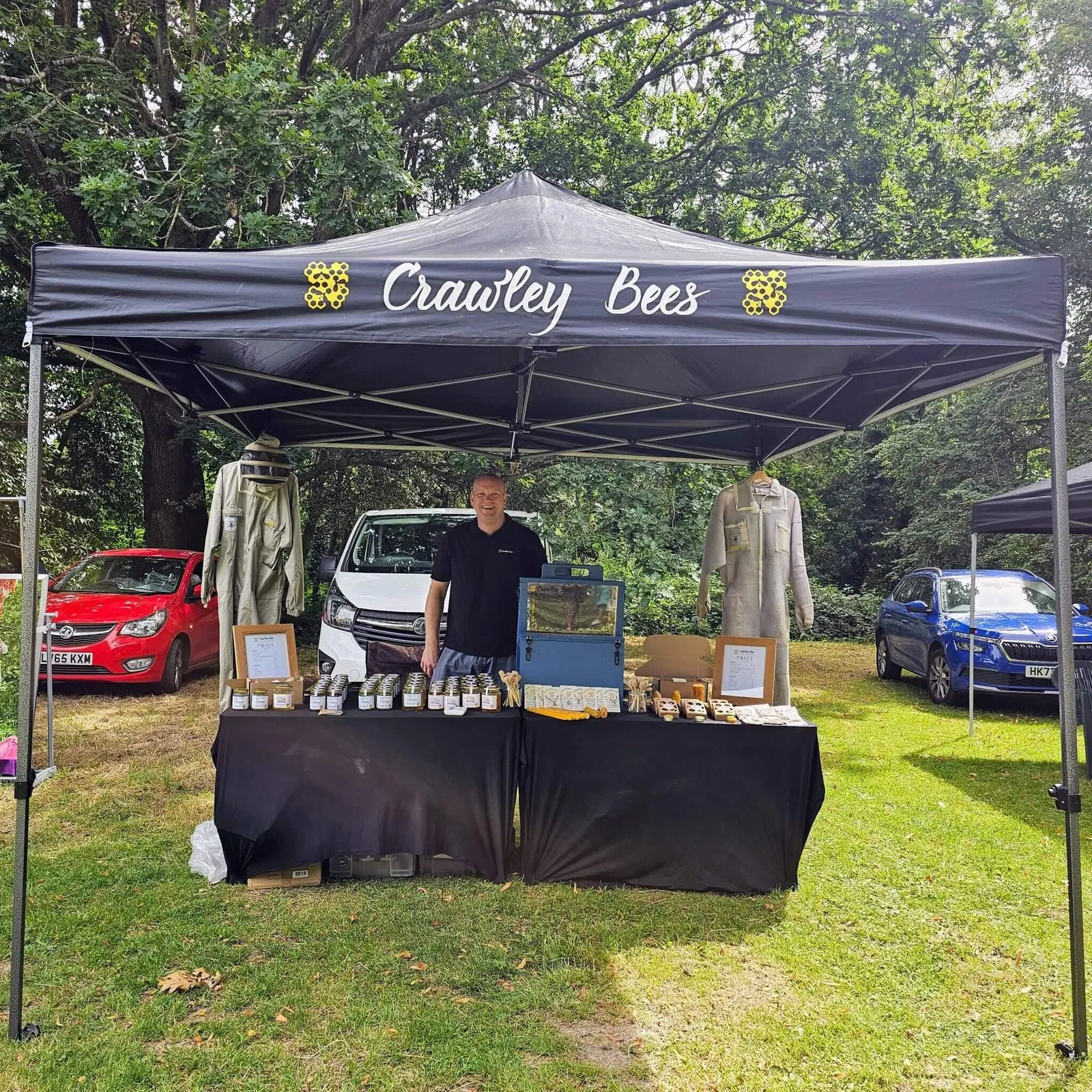
If you’re running low or want to try the different flavours our local apiaries produce, come find us at a local market or check out our online shop. Supporting Crawley Bees means supporting local pollinators and getting the highest quality honey delivered straight from our hives to your table.
Ready to join the buzz? Explore our range of local honey and beeswax products here.
0 Comments