
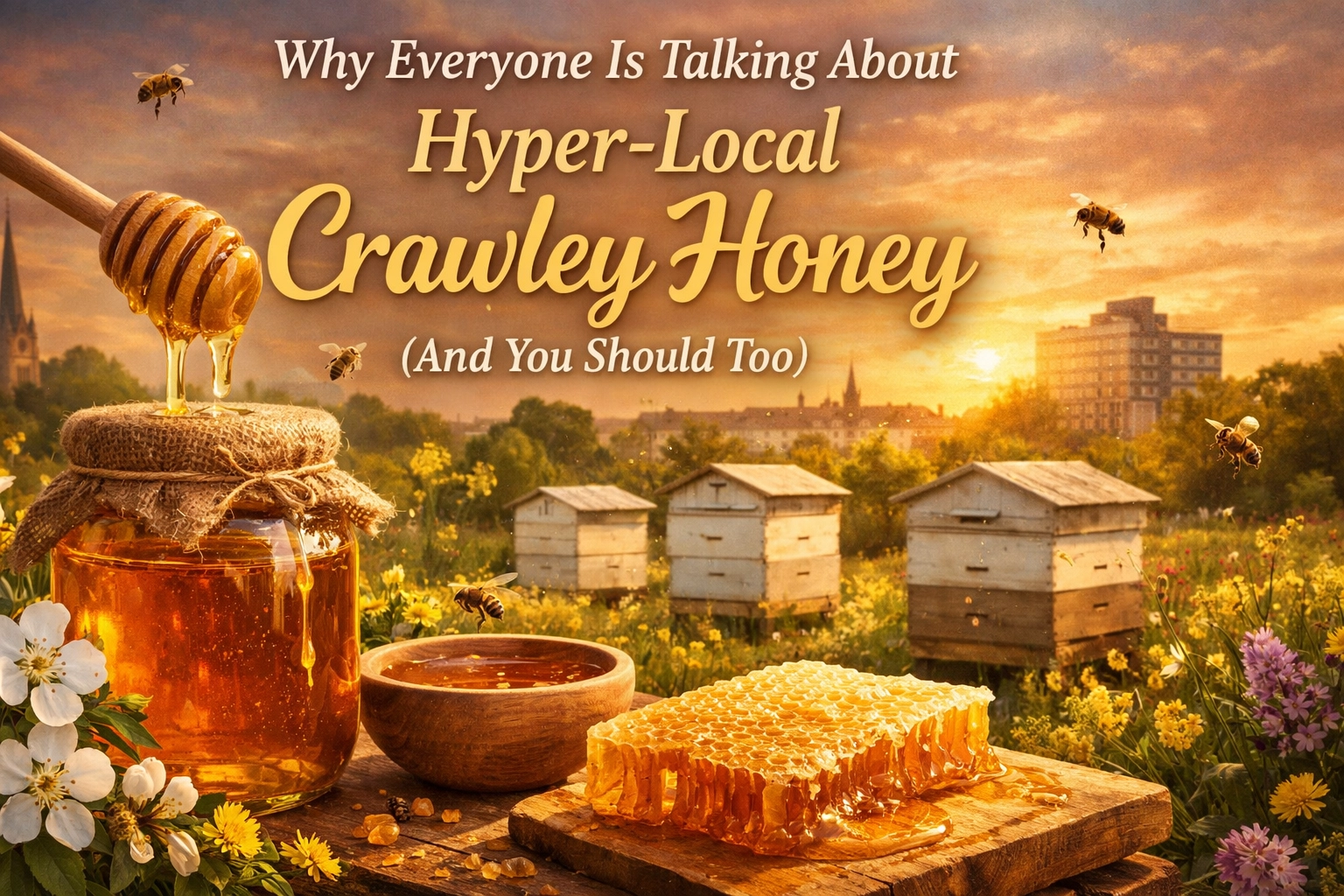
Have you ever stopped to wonder exactly where your food comes from? Not just the country on the label, but the actual field, the specific trees, or even the very street? Lately, there’s been a massive "buzz" around Crawley, and it isn’t just about the planes taking off from Gatwick. People are talking about something much sweeter: hyper-local Crawley honey.
If you’ve been searching for "local honey near me UK," you might have noticed that not all "local" honey is created equal. At Crawley Bees, we’re taking things a step further than just "British honey." We’re talking about honey so local you could probably walk to the hive where it was made. From the ancient leafy canopies of Ifield Woods to the wildflower-lined Rowfant Trail, our honey is a liquid map of our hometown.
But why are your neighbours ditching the supermarket squeezy bottles for a jar of the raw stuff? Let’s dive into why hyper-local is the only way to go.
What on Earth is "Hyper-Local" Honey?
We’ve all seen "UK Honey" in the shops. Often, that means honey collected from hundreds of different farms across the country, blended together in a giant vat, heated up (which kills the good stuff), and filtered until it’s perfectly clear and… well, a bit boring.
When we talk about hyper-local honey, we mean honey that is harvested from a specific apiary right here in Crawley. When you buy a jar of our Ifield Woods honey, you aren’t getting a blend. You’re getting the nectar from the lime trees, brambles, and wildflowers that grow in that exact patch of Sussex woodland.
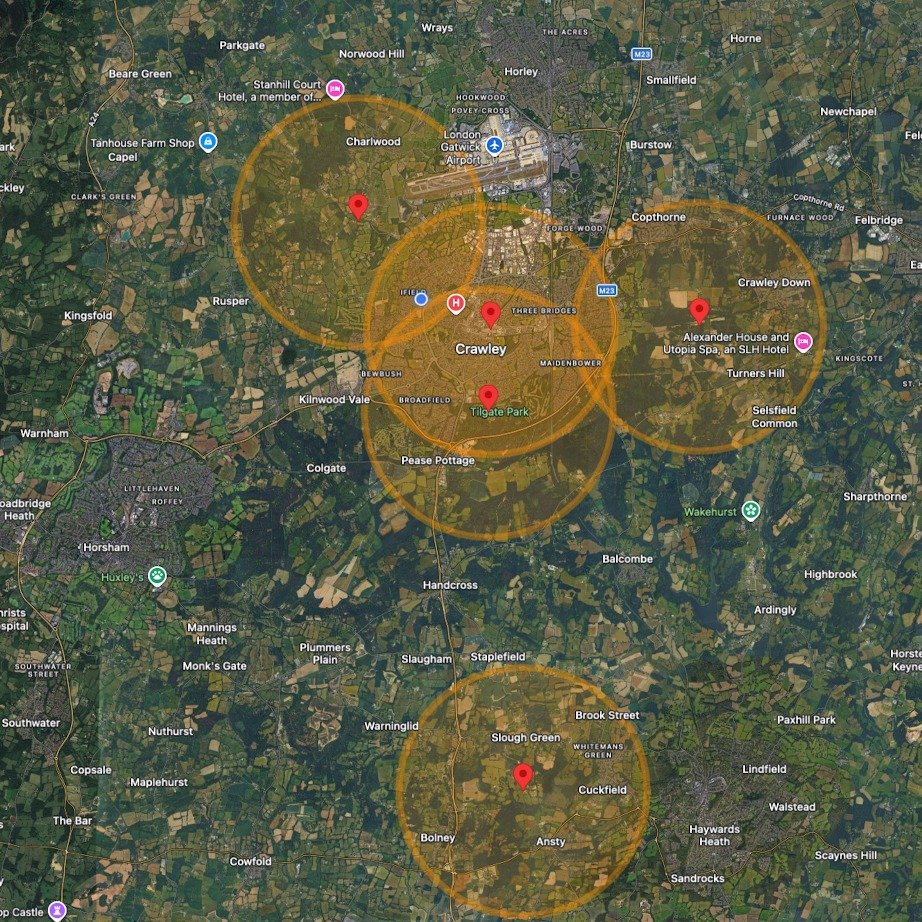
It’s the difference between a mass-produced, generic "red wine" and a vintage bottle from a single, tiny vineyard. One is a commodity; the other is an experience. By keeping our honey hyper-local, we preserve the unique "terroir" of Crawley. Yes, honey has terroir just like wine! The soil, the weather, and the specific flowers in Ifield produce a completely different flavour profile than the bees foraging over in Rowfant.
The Magic of Single-Source Honey
Why does "single-source" matter so much? Imagine you’re making a fruit smoothie. If you use only the freshest, sun-ripened strawberries from your garden, it tastes incredible. But if you take those strawberries and mix them with bulk-processed apples, imported pears, and a dash of corn syrup, that vibrant strawberry flavour is lost forever.
That’s exactly what happens to supermarket honey. By the time it’s blended, it loses its soul. Single-source honey, like ours, is never blended. We harvest hive by hive, area by area.
Why Single-Source is Superior:
- Distinctive Flavours: One jar might be light and citrusy, while the next is dark, rich, and malty.
- Aromatic Profiles: You can actually smell the Sussex countryside when you open the lid.
- Preserved Nutrients: Because we don't blend or over-process, all the natural enzymes and antioxidants stay exactly where they belong: in your jar.
- Traceability: You know exactly which woods or gardens your honey came from.
A Taste of Crawley: From Ifield to Rowfant
One of the coolest things about being a local honey producer is seeing how the flavour changes just a few miles down the road.
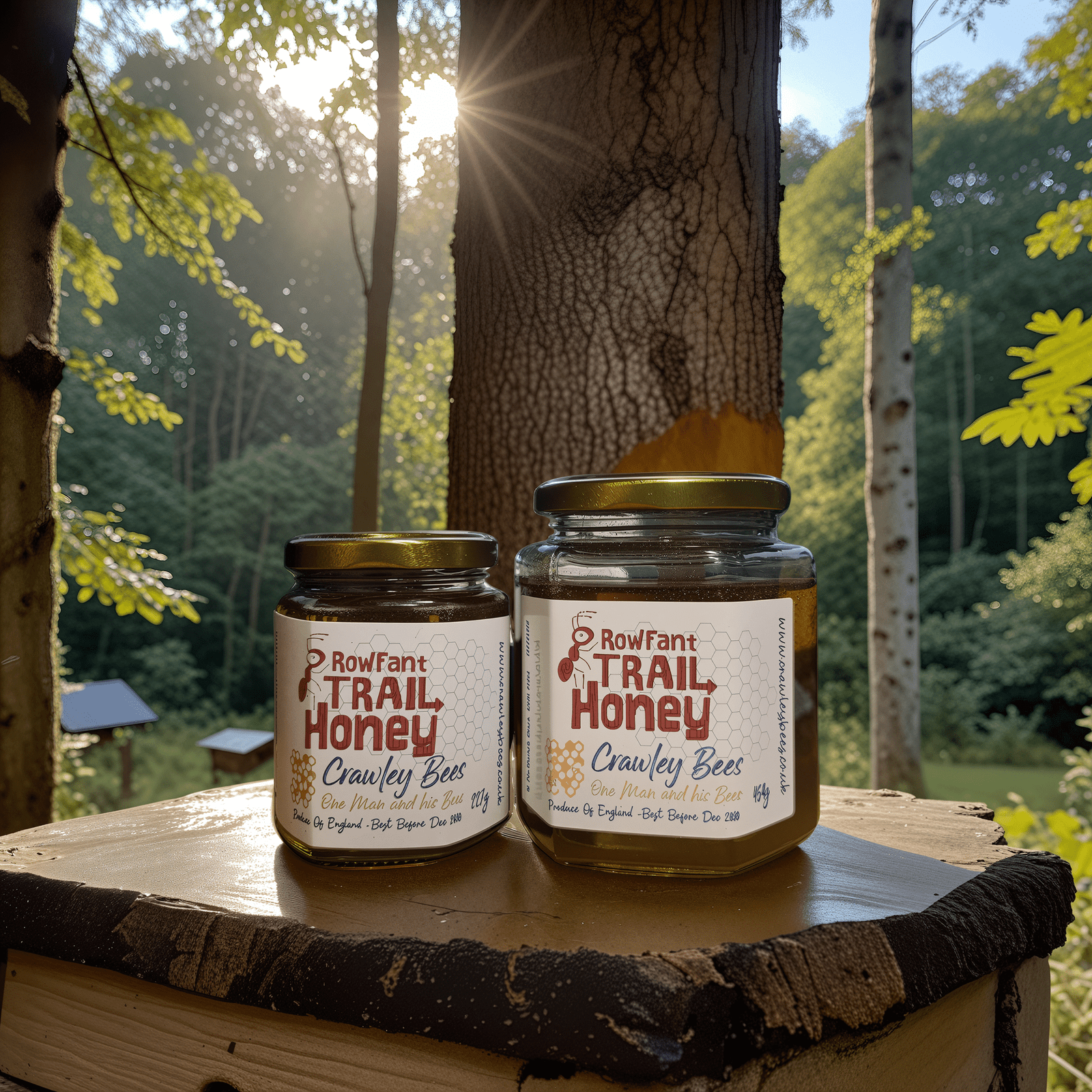
If you take a jar of our Ifield Woods Honey, you’re tasting the deep, earthy notes of ancient woodland. It’s perfect for swirling into a bowl of porridge or drizzling over a sharp blue cheese. On the other hand, our Rowfant Trail Honey often has a lighter, floral touch, reflecting the hedgerows and meadows that line that beautiful walking route.
When you choose hyper-local, you aren't just buying a sweetener; you're supporting the biodiversity of your own backyard. Our bees are the ones pollinating the apple trees in your garden and the wildflowers in our local parks. It’s a beautiful, circular relationship that keeps Crawley blooming.
Is It Really Better For You?
You’ve probably heard the "golden rule" of hay fever: eat local honey to help with allergies. While we aren't doctors, the logic is sound! Hyper-local honey contains trace amounts of the specific pollens found in your immediate area. By consuming these in small amounts through raw honey, many people find it helps their bodies get used to the local flora.
But beyond the allergy talk, raw local honey is just plain healthier. Most supermarket honey is "pasteurised," which is a fancy way of saying it’s been boiled. This makes it stay liquid longer on the shelf, but it destroys the delicate vitamins and antibacterial properties that make honey a "superfood."
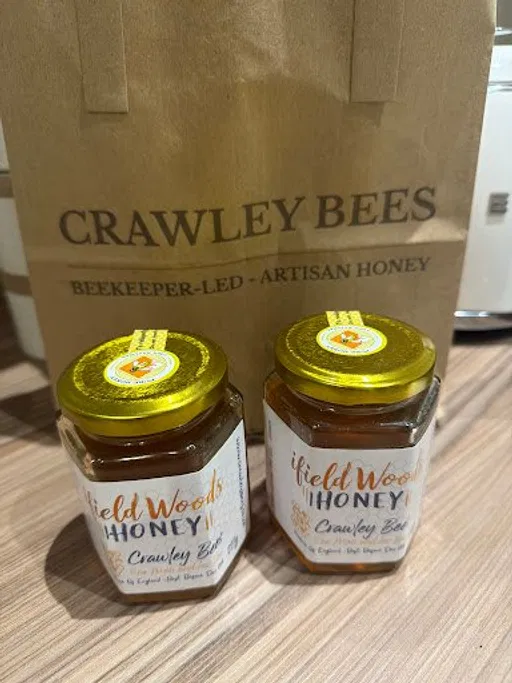
Our honey is raw. It’s spun out of the comb, filtered through a simple mesh to remove any bits of wax, and put straight into the jar. It’s thick, it’s vibrant, and it’s packed with goodness.
How to Spot the Real Deal
If you’re looking for "local honey near me UK," how do you know you’re getting the "good stuff"? Here are a few things to look for:
- The Label: Does it name a specific town or area (like Crawley, Ifield, or Rowfant)? If it just says "Product of more than one country," put it back!
- The Texture: Raw honey will naturally crystallise (set) over time. This is a sign of purity! If a honey stays perfectly clear for years, it’s likely been heavily processed.
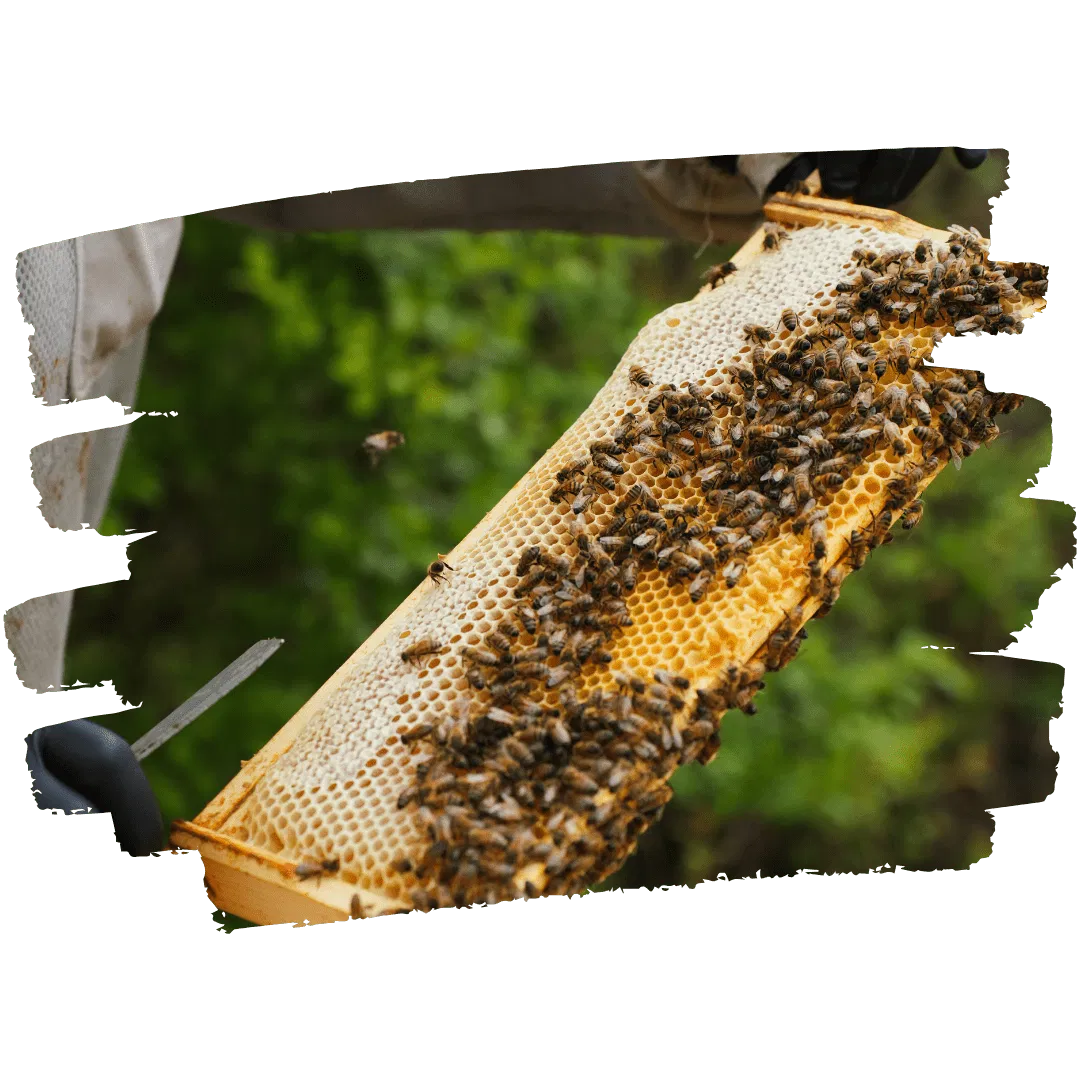
- The Source: Can you meet the beekeeper? We love chatting with our customers at local markets. Seeing the person who actually looked after the bees makes a world of difference.
Support Your Local Buzz
When you buy from Crawley Bees, you aren’t just getting a jar of honey. You’re supporting a local business, protecting Sussex bees, and ensuring that our local ecosystem stays healthy. Plus, you’re cutting down on "food miles." Your honey hasn’t been shipped halfway across the world; it’s probably travelled less distance than you do on your morning commute!
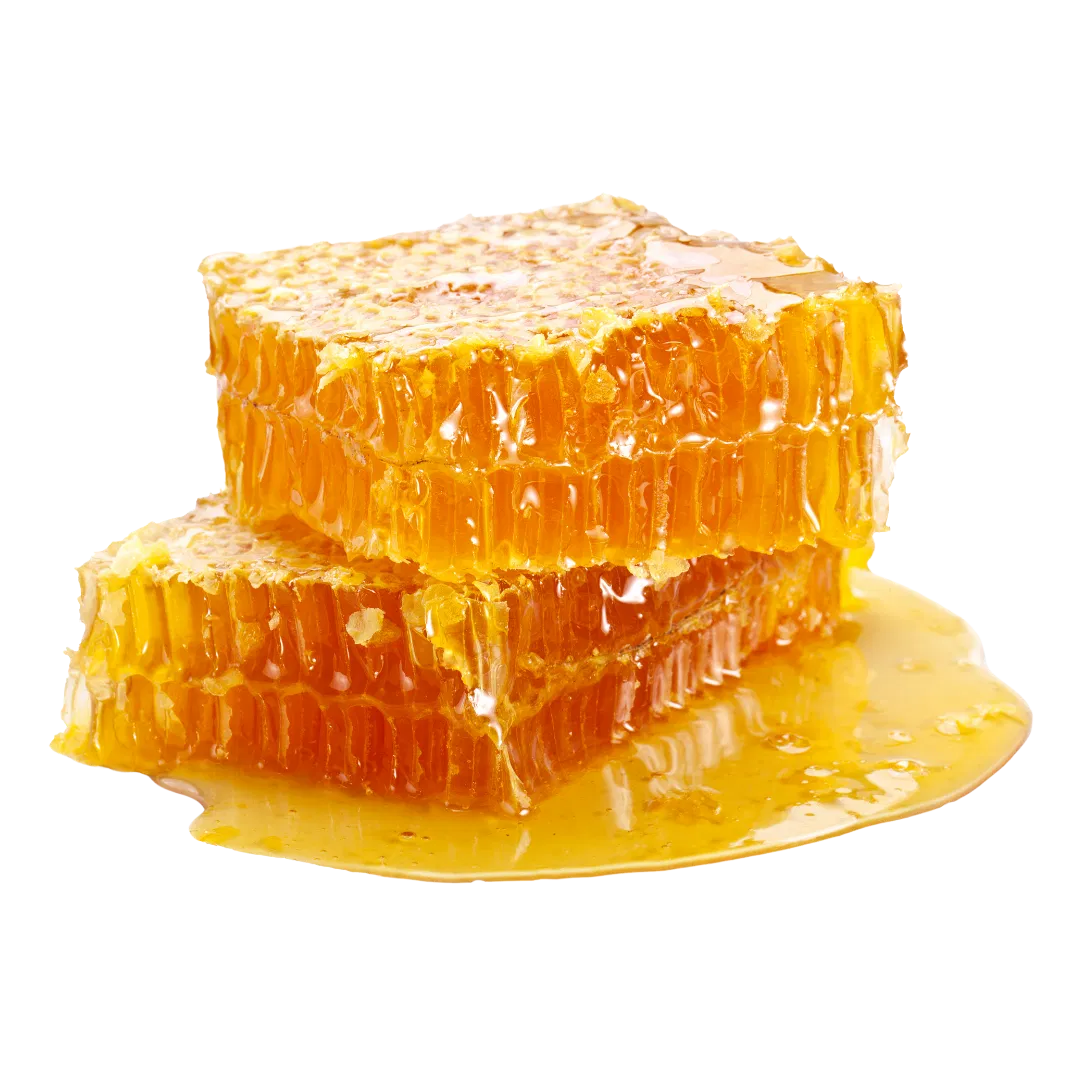
Whether you want to try our signature cut comb or a jar of our latest harvest, there is nothing quite like the taste of home.
Common Questions About Crawley Honey
Why is my local honey "cloudy" or hard?
That’s actually a great sign! It’s called crystallisation. It happens because raw honey is a concentrated sugar solution and contains natural pollen. If your honey sets, it means it hasn't been over-heated or over-filtered. Just pop the jar in some warm water to turn it back into liquid gold!
Is local honey better for the environment?
Absolutely. By buying from Crawley Bees, you’re eliminating the massive carbon footprint associated with importing honey from overseas. Plus, our bees help maintain the local plant life right here in West Sussex.
Where can I buy Crawley Bees honey?
You can find us right here on our website, or catch us at local Crawley markets! We love meeting our neighbours and sharing the latest news from the hives. Check out our product page to see what's currently in stock.
Can I give honey to my baby?
The one big rule: never give honey (even the amazing local stuff) to infants under 12 months old due to the risk of botulism. After that, it’s a wonderful natural treat!
Ready to taste the difference?
If you’ve been settling for "whatever is on the shelf," it’s time to upgrade your pantry. Explore our range of single-source Crawley honey and discover why hyper-local is the only way to go. Your toast (and your local bees) will thank you! 🐝
0 Comments