
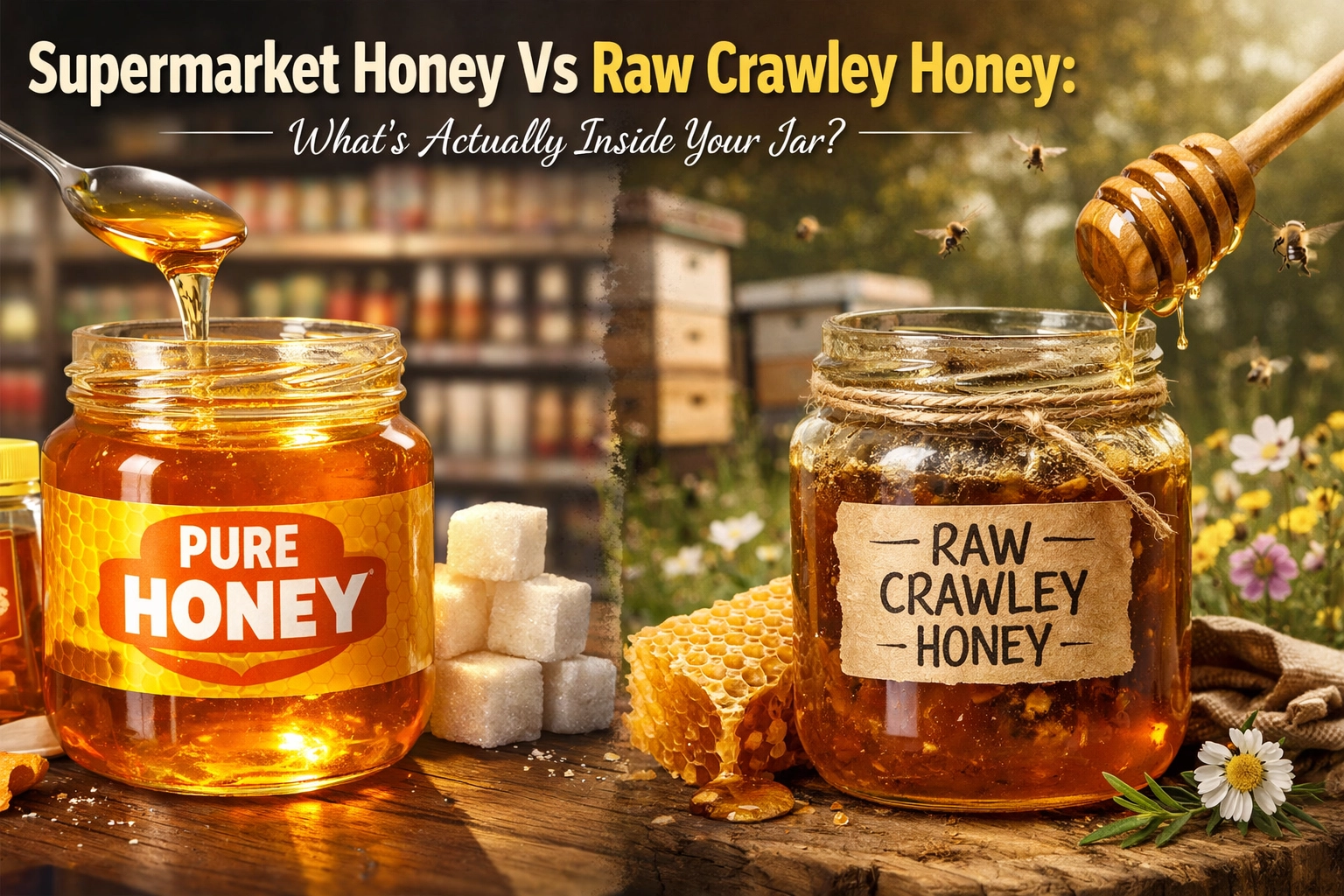
Ever stood in the baking aisle at the supermarket, staring at a wall of golden jars and squeezy bottles, wondering why one costs £2 and the other costs £10? It’s all just honey, right?
Well, not exactly.
If you’ve been searching for raw honey near me, you’ve probably realised there’s a massive difference between the mass-produced stuff on the high street and the jars we harvest right here at Crawley Bees. While they might look similar through the glass, what’s actually inside the jar is worlds apart.
Today, we’re peeling back the labels to look at the "hidden" ingredients in supermarket honey versus the pure, unadulterated goodness of raw Crawley honey. Grab a cuppa (with a spoonful of the good stuff, of course) and let’s dive in!
The Great Heat Wave: Pasteurisation vs. Raw
One of the biggest differences between our honey and the stuff you find in big-chain stores is heat. Most supermarket honey is "pasteurised."
Why do they do it? It’s all about convenience for the retailer. By heating the honey to high temperatures (usually between 70–80°C), they ensure it stays liquid and clear on the shelf for months, or even years. It prevents the honey from crystallising, which many people mistakenly think means the honey has "gone off."
But here’s the sting: high heat kills the very things that make honey a superfood. It destroys live enzymes, delicate antioxidants, and those incredible medicinal compounds like glucose oxidase.
In contrast, our Crawley Bees honey is never heated above the natural temperature of the hive. When you buy from us, you’re getting all those bioactive compounds exactly as the bees intended. Think of it like the difference between a fresh, cold-pressed orange juice and a carton of "fruit drink" that’s been sitting in a warehouse. One is alive and buzzing with nutrients; the other is essentially just flavoured sugar syrup.
"Polishing" the Honey: Where Did the Pollen Go?
Have you ever noticed how supermarket honey is always perfectly clear and translucent? That’s because it’s been through ultra-filtration or "micro-polishing."
This process removes every tiny speck of bee pollen, propolis, and beeswax. While that makes for a pretty, see-through liquid, it strips away the "soul" of the honey. Pollen is what gives honey its nutritional punch and its unique floral profile. It’s also the key ingredient if you’re using honey to help with seasonal sniffles, something many of our local Crawley neighbours swear by!
At Crawley Bees, we only use coarse straining. This removes any large bits of wax but leaves in the microscopic pollen grains. This isn’t just about health; it’s also about honesty. Pollen acts as a fingerprint that proves the honey actually comes from the flowers in our local Sussex gardens and woodlands.
The Mixing Pot vs. Single-Source Purity
Next time you’re in the shop, check the back of a budget honey jar. You’ll often see a phrase like: "A blend of non-EU honeys" or "A blend of EU and non-EU honeys."
That’s industry-speak for "this honey could have come from anywhere." It’s often a cocktail of honeys from different countries, blended together in giant vats to achieve a uniform (and often quite flat) taste. In some cases, low-cost "honey" has even been found to be diluted with corn syrup or rice syrup to keep costs down.
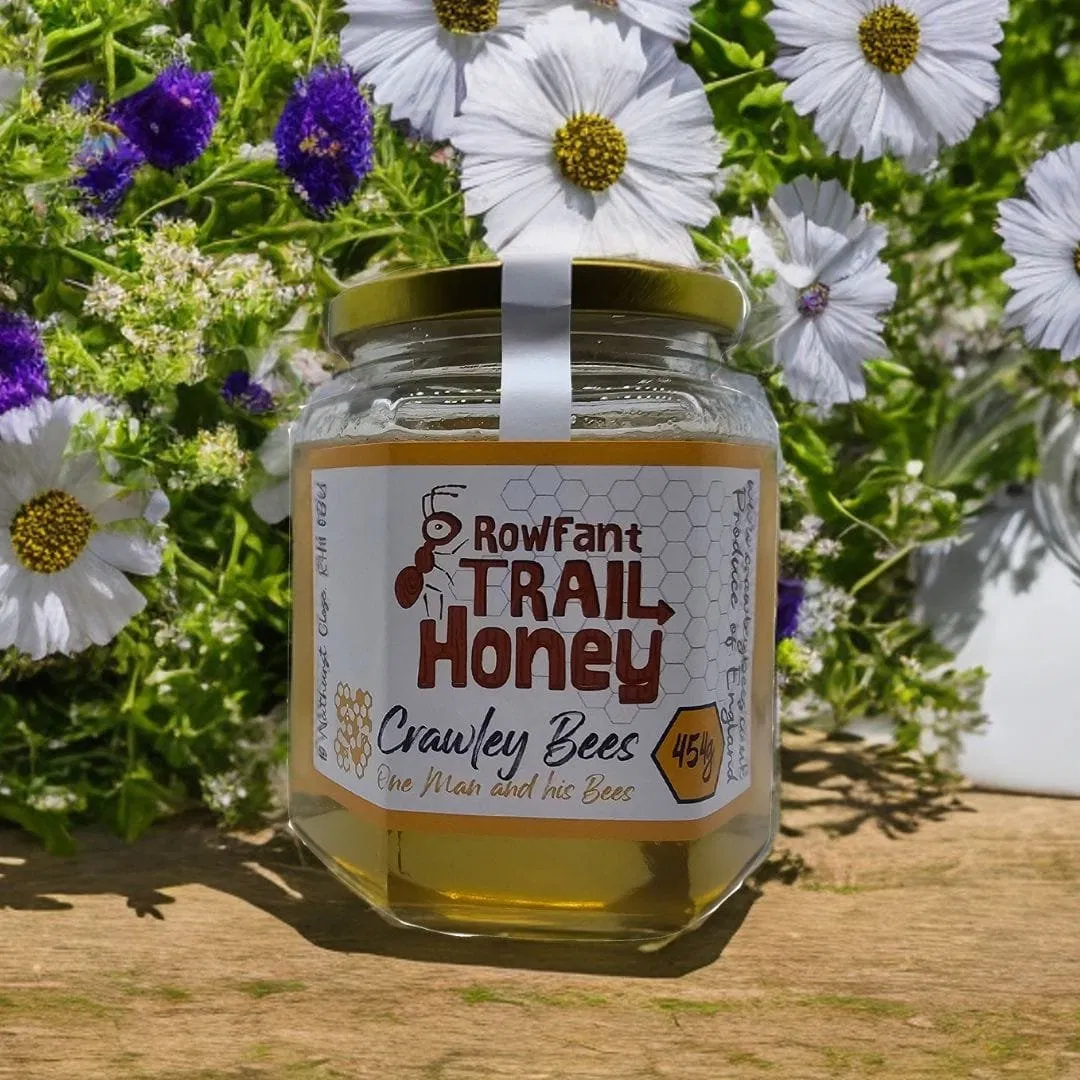
At Crawley Bees, we do things differently. Our honey is single-source. When you buy a jar of our Rowfant Trail Honey, it comes from our hives at Rowfant. When you pick up Ifield Woods Honey, it’s from the bees foraging in that specific Crawley location. We never mix our harvests, because we want you to taste the unique "terroir" of our local landscape.
Why Search for "Raw Honey Near Me"?
You might be wondering, “Does it really matter if it’s local?”
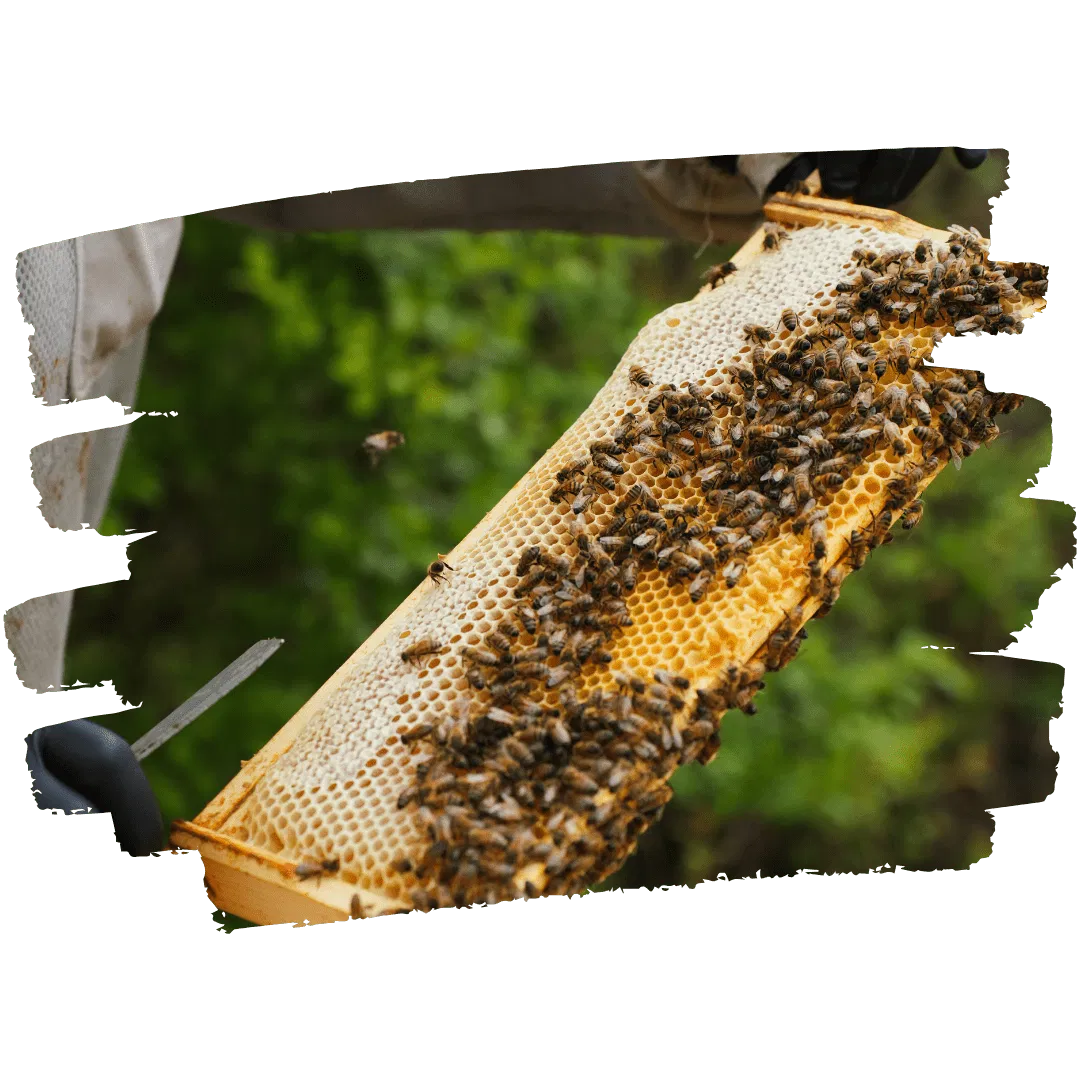
If you are looking for the best raw honey near me, the answer is a resounding yes! Local honey contains local pollen. Many people believe that consuming small amounts of local pollen throughout the year can help desensitise the body to the allergens that cause hay fever in the spring.
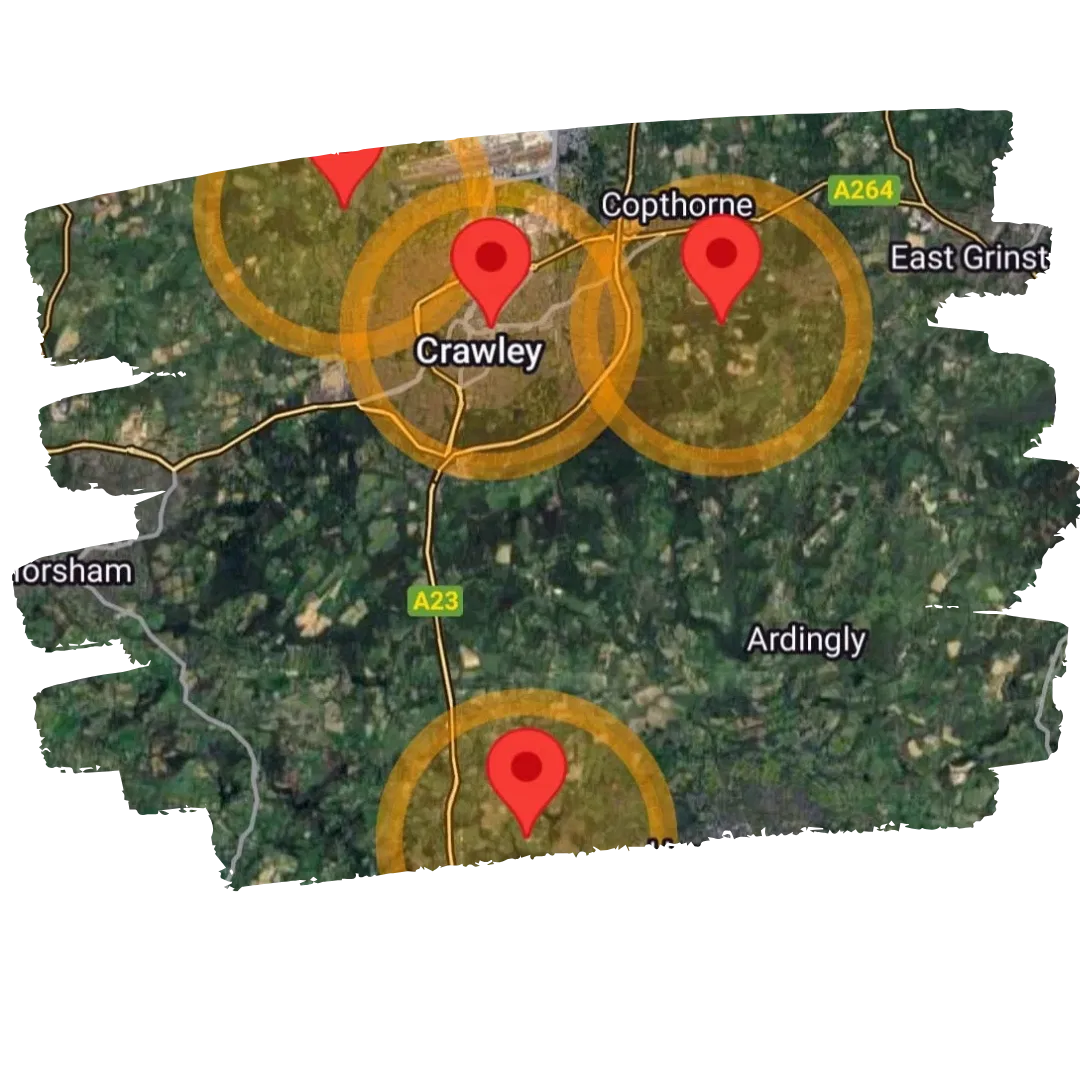
But beyond the potential health perks, buying local is about community and the environment. Our bees pollinate the gardens, parks, and wildflowers right here in Crawley, Copthorne, and Haywards Heath. Supporting us means supporting the local ecosystem. Plus, the carbon footprint of a jar that travelled three miles from the hive to your house is a lot smaller than one that’s been shipped halfway across the globe!
The Look, The Feel, and The Taste
If you’re used to the uniform, runny honey from the supermarket, your first jar of raw Crawley honey might be a surprise.
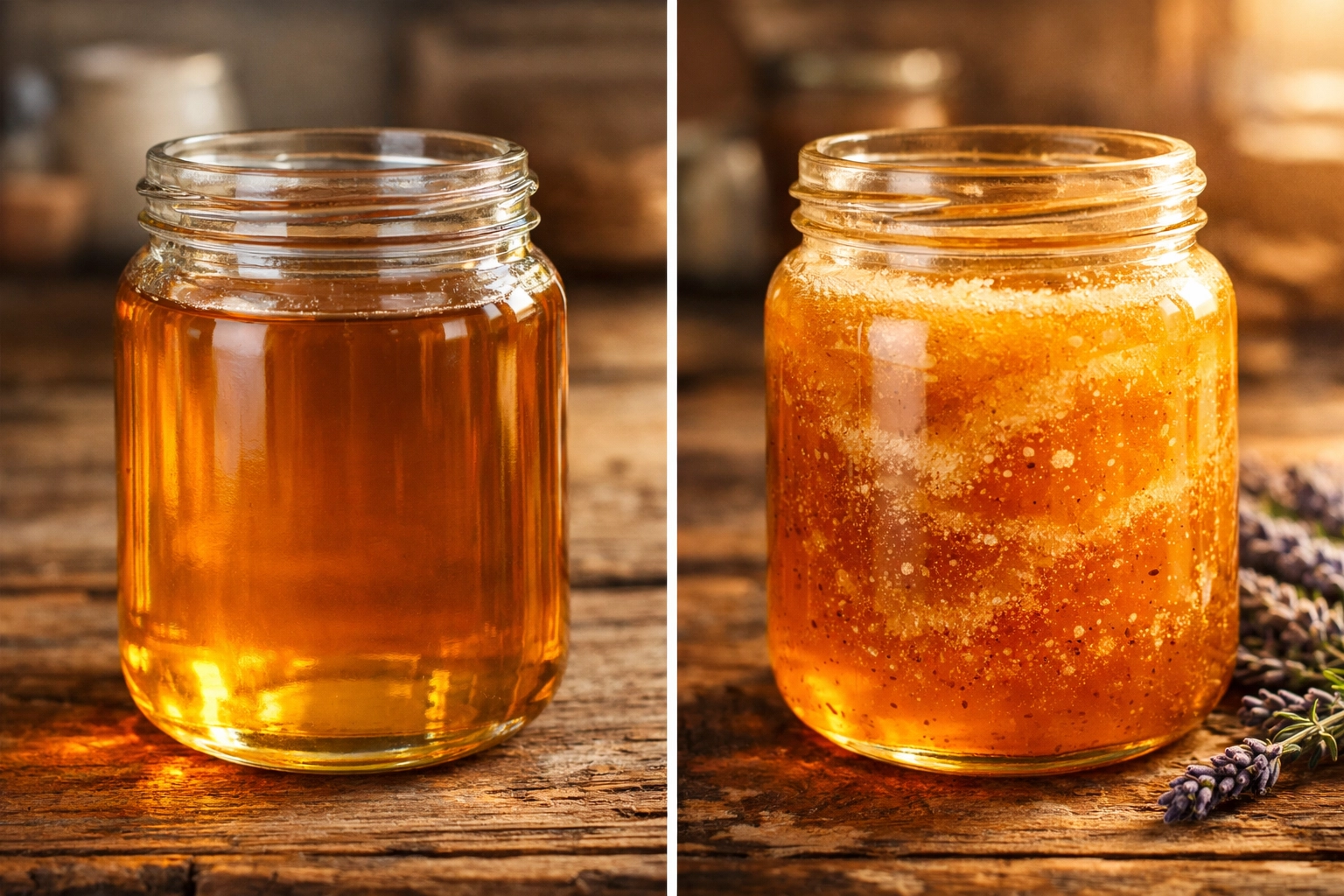
- Cloudiness: Because it’s unfiltered, it might look a little cloudy. That’s just the good stuff (pollen and propolis) still inside.
- Crystallisation: Raw honey will set or "granulate" over time. This is a sign of purity! If your honey goes hard, don’t throw it out. You can gently warm the jar in a bowl of warm water (not boiling!) to return it to a liquid state.
- The Flavour: This is the best part. Supermarket honey usually just tastes "sweet." Raw Crawley honey has notes of caramel, flowers, herbs, and even a hint of spice depending on what the bees were visiting that month.
Our Golden Rules for Honey Lovers
To make sure you’re getting the most out of your jar, here are our Crawley Bees "Golden Rules":
- Never Microwave Your Honey: If it’s crystallised, be patient. High heat kills the enzymes. Use a warm water bath instead.
- Check the Label: Look for "Raw," "Unfiltered," and "Unpasteurised." If it doesn't say it, it probably isn't.
- Know Your Beekeeper: Buying direct from us at a local market or via our online shop ensures you know exactly where your food came from.
- Embrace the Texture: Try our unfiltered cut comb honey for the ultimate raw experience: eating the honey straight from the wax cells is a taste sensation you won't find in any supermarket.
Common Questions About Raw Honey
Is raw honey safe for everyone?
Raw honey is a natural, healthy product for most people, but it should never be given to infants under 12 months old due to the risk of botulism.
Why is my honey hard?
It’s just crystallisation! It happens naturally when the glucose in the honey separates from the water. It’s actually a sign that your honey is raw and hasn’t been over-processed.
Does honey expire?
Archaeologists have found pots of honey in ancient Egyptian tombs that are thousands of years old and still edible! As long as the lid is tight and no moisture gets in, your honey will last practically forever.
Join the Buzz and Taste the Difference
At the end of the day, honey is a miracle of nature. It takes tens of thousands of bee-flights to produce a single jar. We think that kind of hard work deserves to be treated with respect: not boiled and filtered until it's just another commodity.
If you’re tired of the "sugar syrup" from the supermarket and want to experience the vibrant, aromatic, and truly healthy world of local honey, we’d love for you to try a jar of Crawley Bees. Whether you’re looking for a spread for your morning toast or a pure beeswax candle to brighten your home, we’ve got something special for you.
Check out our full range in the shop or read more about why local honey is better and healthier than supermarket honey on our blog.
Support your local bees, support your health, and most importantly( treat your tastebuds!)
0 Comments